

Recent
 “လောင်းရိပ်အောက်ကအသံများ” အစီရင်ခံစာ သတင်းထုတ်ပြန်ချက်နေ့စွဲ – ၂၀၂၄ ခုနှစ်၊ ဇန်နဝါရီလ (၁၃) ရက်။ ၁။ ရခိုင်ပြည်ရှိ အမျိုးသမီးများမှာ နိုင်ငံရေး၊ ငြိမ်းချမ်းရေးနှင့် ပဋိပက္ခဖြေရှင်းရေးဆိုင်ရာ ကိစ္စရပ်များတွင် ဦးဆောင်မှုနှင့်ပါဝင်မှု အားနည်းနေပြီး ဖွံ့ဖြိုးတိုးတက်မှုလည်း အလွန်နောက်ကျနေသည်။ ထို့အပြင် အမျိုးသမီးများမှာ ကဏ္ဍအသီးသီး၌ [...]
 “မြောက်ဦးလူသတ်ပွဲ” အစီရင်ခံစာ သတင်းထုတ်ပြန်ချက်နေ့စွဲ – ၂၀၂၃ ခုနှစ်၊ ဒီဇင်ဘာလ (၃၁) ရက်။ ၁။ ၂ဝ၁၈ ခုနှစ်၊ ဇန်နဝါရီလ (၁၆) ရက်နေ့တွင် ရခိုင်ပြည်၊ မြောက်ဦးမြို့၌ ရခိုင့်အချုပ်အခြာ အာဏာ ကျဆုံးခြင်း (၂၃၃) နှစ်မြောက် အထိမ်းအမှတ်အဖြစ် ကျင်းပပြုလုပ်သော စာပေဟောပြောပွဲအား ဒေသအာဏာပိုင်များက [...]
 ရခိုင်အမျိုးသားလွတ်မြောက်ရေး တိုက်ပွဲကာလအတွင်း ပြည်သူလူထုမှ ကြုံတွေ့နေရသည့် စိန်ခေါ်မှုများနှင့် ပတ်သက်၍ သဘောထား ထုတ်ပြန်ကြေငြာချက်
 ရခိုင္ျပည္တြင္း လက္ရွိျဖစ္ေပၚေနေသာ ကမန္ေက်ာင္းသားမ်ား၏ ပညာသင္ၾကားခြင့္ႏွင့္ပတ္သတ္၍ သေဘာထား ထုတ္ျပန္ ေၾကျငာခ်က္(၂၀၂၂ - ၂၀၂၃) ပညာသင္ႏွစ္အတြက္ ဇြန္လ (၂) ရက္ေန႔မွ စတင္၍ ရခိုင္ျပည္၌ အေျခခံပညာသင္ ေက်ာင္းမ်ား ဖြင့္လွစ္ကာ သင္ၾကားပို႔ခ်မႈမ်ား စတင္ေနၿပီျဖစ္ေသာ္လည္း စစ္ေတြၿမိဳ႕နယ္ရွိ သက္ကယ္ျပင္ ေက်း႐ြာ၊ သဂၤနေက်း႐ြာႏွင့္ သာယာကုန္းေက်း႐ြာတို႔တြင္ ေနထိုင္ေသာ ကမန္ေက်ာင္းသားမ်ားအေနျဖင့္ ပညာသင္ၾကားရန္ အခြင့္အလမ္းမ်ားအား ျငင္းပယ္ခံထားရေၾကာင္း ၾကားသိရသည္။[...]
 ရခိုင္ေက်ာင္းသား (၄) ဦးအား မတရားဖမ္းဆီး ေထာင္ခ်မႈႏွင့္ပတ္သက္၍ သေဘာထားထုတ္ျပန္ေၾကျငာခ်က္၁။ ရခိုင္ျပည္၌ျဖစ္ပြါးခဲ့ေသာ လက္နက္ကိုင္ပဋိပကၡမ်ားအတြင္း ျပည္သူတို႔၏ အသက္အိုးအိမ္စည္းစိမ္မ်ား ထိခိုက္မႈရွိခဲ့သည့္ အေပၚတြင္ ျမန္မာအစိုးရႏွင့္ တပ္မေတာ္တို႔အေနျဖင့္ တာဝန္ယူရန္ ေတာင္းဆိုဆႏၵျပခဲ့ၾကေသာ ရခိုင္ျပည္ေက်ာင္းသားသမဂၢမွ ျပန္ၾကားေရးတာဝန္ခံ ကိုေက်ာ္ႏိုင္ေဌး၊ တြဲဘက္ ျပန္ၾကားေရးတာဝန္ခံ ကိုဦးသန္းႏိုင္၊ ေက်ာက္ျဖဴပညာေရးေကာလိပ္မွ ကိုျမတ္စိုးဝင္းႏွင့္ ရကၡိဳင္ေက်ာင္းသားမ်ားသမဂၢ (ဒဂုံတကၠသိုလ္) မွ ကိုေကာင္းထြန္းတို႔ကို (၁၉.၁၀.၂၀) ရက္ေန႔ တြင္ စစ္ေတြၿမိဳ႕နယ္ ရဲတပ္ဖြဲ႕မႉး ေဇာ္ႏိုင္က တရားလိုျပဳ လုပ္၍ ျပစ္မႈဆိုင္ရာဥပေဒ ပုဒ္မ ၅၀၅ (ခ)ႏွင့္ သဘာဝေဘးအႏၲရာယ္ ဆိုင္ရာ စီမံခန႔္ခြဲမႈဥပေဒ ပုဒ္မ ၂၉ တို႔ျဖင့္ တရားစြဲဆိုခဲ့ကာ (၁၁) လၾကာ ဖမ္းဆီးထားခဲ့ၿပီး (၁၆.၀၉.၂၁) ရက္ေန႔တြင္ ေထာင္ဒဏ္ (၂)ႏွစ္ႏွင့္ (၆)လ ခ်မွတ္ခဲ့ျခင္းအား မိမိတို႔ ရခိုင္ျပည္လုံးဆိုင္ရာေက်ာင္းသားႏွင့္ လူငယ္မ်ားအစည္းအ႐ုံး (AASYC) မွ ကန႔္ကြက္ရႈတ္ခ်လိုက္သည္။[...]
Activities
-
လူငယ္မ်ား အခမဲ့သင္ၾကားႏိုင္ရန္ AASYC မွ ကြန္ပ်ဴတာမ်ား လွဴဒါန္း
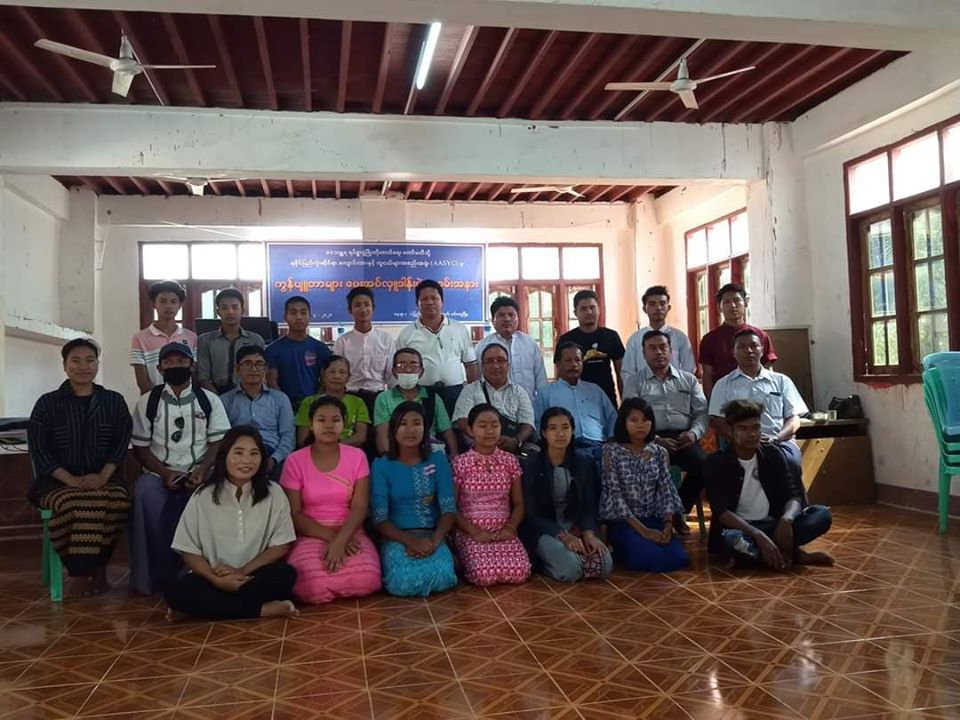
ရခိုင္လူငယ္မ်ား အဆင့္ျမင့္ပညာသင္ၾကားေရးတြင္ အေထာက္အကူျပဳေစရန္ႏွင့္ အလုပ္အကိုင္အခြင့္အလမ္း႐ွာေဖြရာတြင္ အေထာက္အကူျဖစ္ေစရန္ ရည္ရြယ္၍ Laptop ကြန္ပ်ဴတာ (၈) လံုးကို ရခိုင္ျပည္လံုးဆိုင္ရာေက်ာင္းသားႏွင့္ လူငယ္မ်ားအစည္းအရံုး (AASYC) မွ ေဒသနၱရ ရပ္ရြာဖြ႔ံၿဖိဳးတိုးတက္ေရးေကာ္မတီ (စစ္ေတြ) သို႔ လွဴဒါန္းခဲ့သည္
အဆိုပါ ကြန္ပ်ဴတာမ်ားအား လႊဲေျပာင္းလက္ခံပြဲ အခမ္းအနားကို (၀၂.၀၄.၂၀) ရက္ေန႔တြင္ စစ္ေတြၿမိဳ႕၌ ျပဳလုပ္ခဲ့သည္။ -
ရခိုင္ျပည္လံုးဆိုင္ရာေက်ာင္းသားႏွင့္ လူငယ္မ်ားအစည္းအရံုး (AASYC) မွ အေျခခံျပည္သူမ်ား သက္ေမြးပညာ အခမဲ့သင္ၾကားႏိုင္ရန္ အပ္ခ်ဳပ္စက္ႏွင့္ ဓားစက္မ်ားလွဴဒါန္း
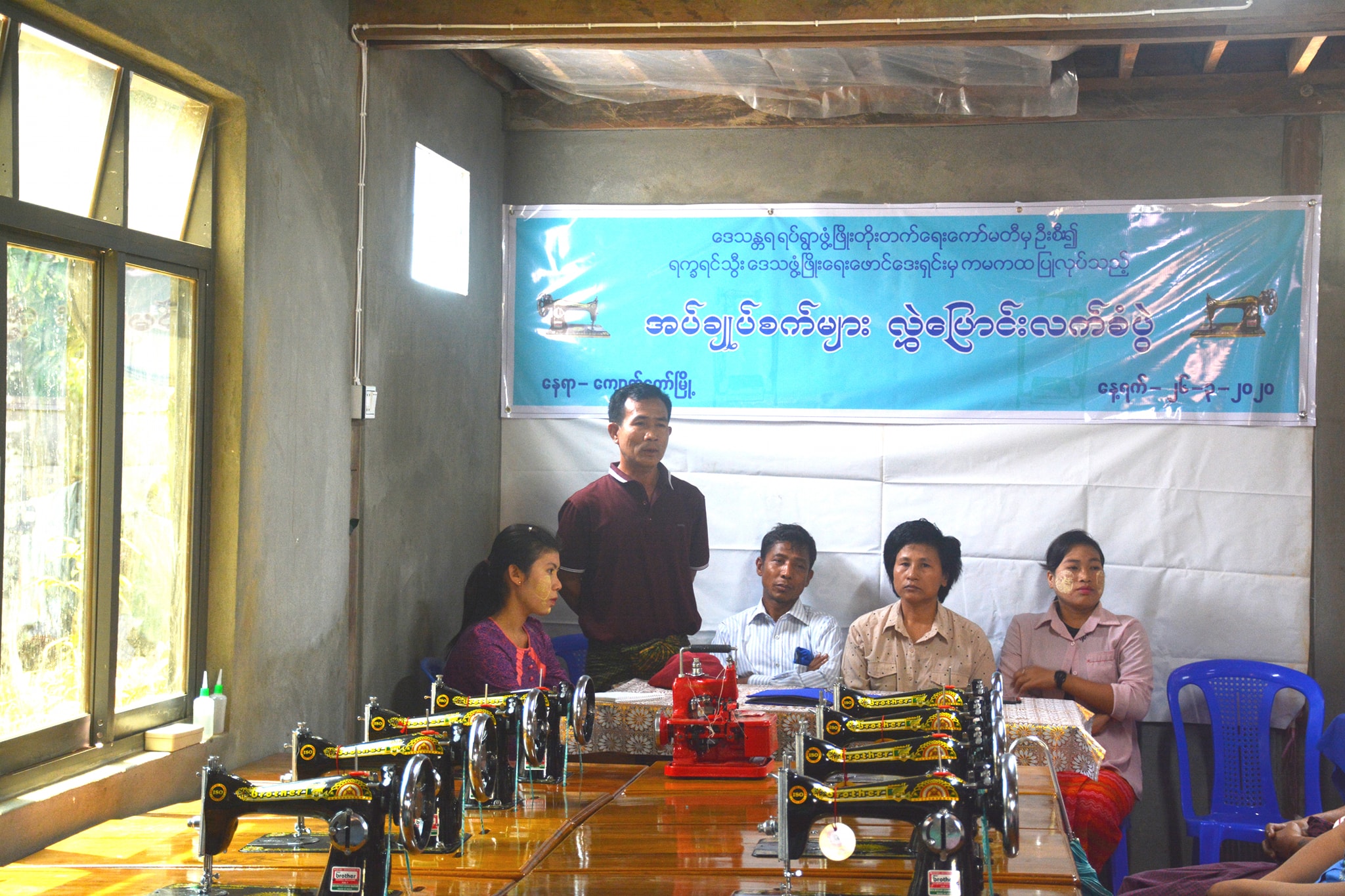
ရခိုင္ျပည္လံုးဆိုင္ရာေက်ာင္းသားႏွင့္ လူငယ္မ်ားအစည္းအရံုး (AASYC) မွ ေက်ာက္ေတာ္ၿမိဳ ့နယ္႐ွိ လူငယ္မ်ား အလုပ္အကိုင္အခြင့္အလမ္းရ႐ွိလာေစရန္ ရည္ရြယ္၍ အပ္ခ်ဳပ္စက္ (၈) လံုးႏွင့္ ဓားစက္ (၁) လံုး ကို ေက်ာက္ေတာ္ၿမိဳ႕ ့႐ွိ ေဒသနၱရ ရပ္ရြာဖြ႔ံၿဖိဳးတိုးတက္ေရးေကာ္မတီသို႔ လွဴဒါန္းခဲ့သည္။ အဆိုပါအပ္ခ်ဳပ္စက္မ်ားအားလႊဲေျပာင္းလက္ခံပြဲ အခမ္းအနားကို မတ္လ (၂၆) … Continue reading
-
IDPs ႏွင့္ Refugee အလုပ္႐ံုေဆြးေႏြးပြဲတရပ္အား AASYC ဗဟိုဌာနခ်ဳပ္႐ံုးတြင္ က်င္းပျပဳလုပ္
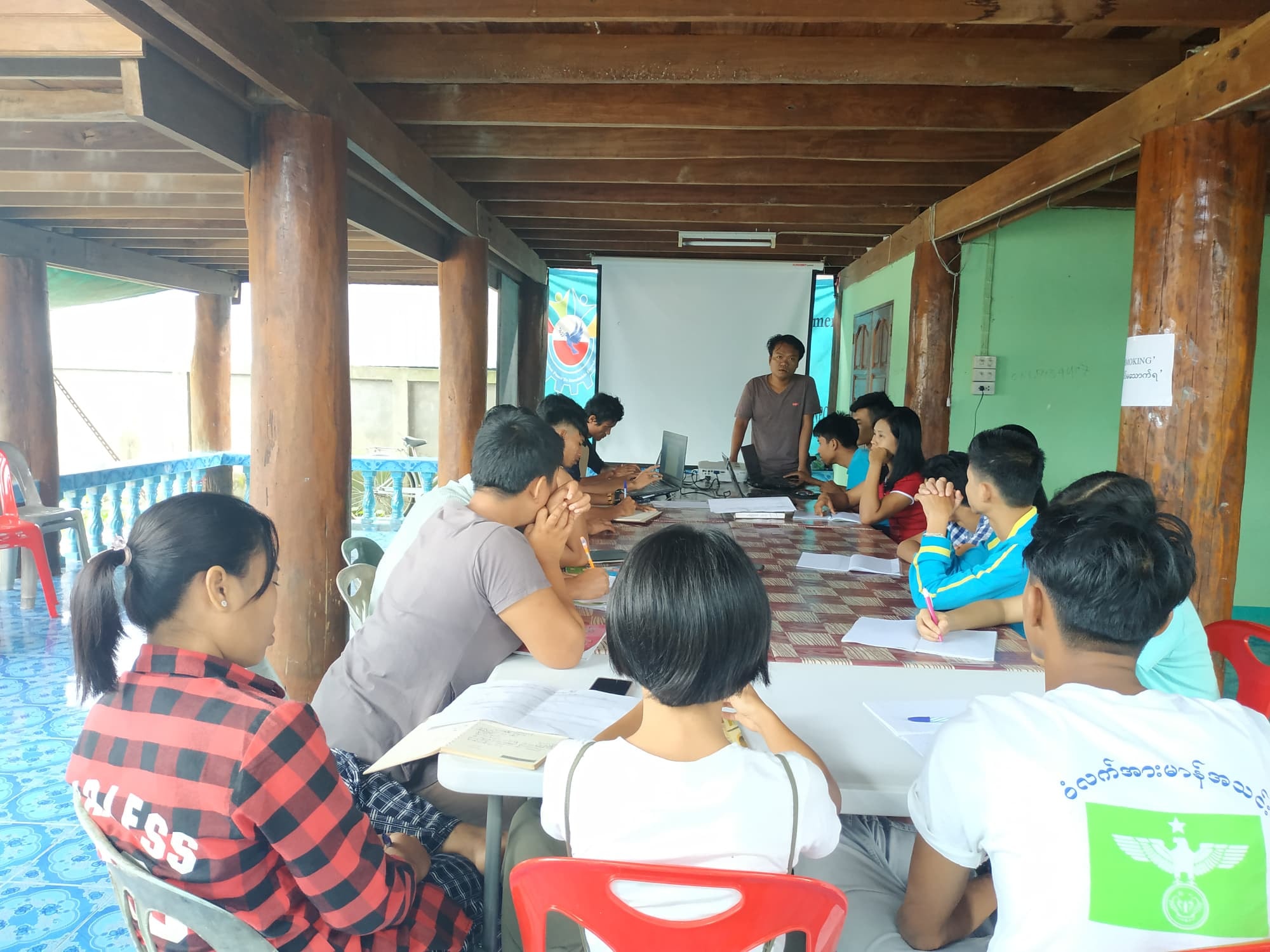
၂၀၁၉ ခုႏွစ္၊ ဇူလိုင္၊ ၂၉ ရက္ ရခုိင္ျပည္တြင္း လက္ရွိျဖစ္ပြားလ်က္ရွိေသာ လက္နက္ကုိင္ပဋိပကၡေၾကာင့္ စစ္ေဘးဒုကၡသည္ မ်ားျပားလာမႈႏွင့္ပတ္သက္၍ IDPs ႏွင့္ Refugee ဆိုင္ရာ အလုပ္ရုံေဆြးေႏြးပြဲတခုအား ၂၀၁၉ ခုႏွစ္ ၊ ဇူလုိင္လ ၂၈ ရက္ေန႔တြင္ ထုိင္း – ျမန္မာနယ္စပ္ AASYC … Continue reading
News
-
Artillery Shelling Kills 1, Injured 2 in Rathedaung
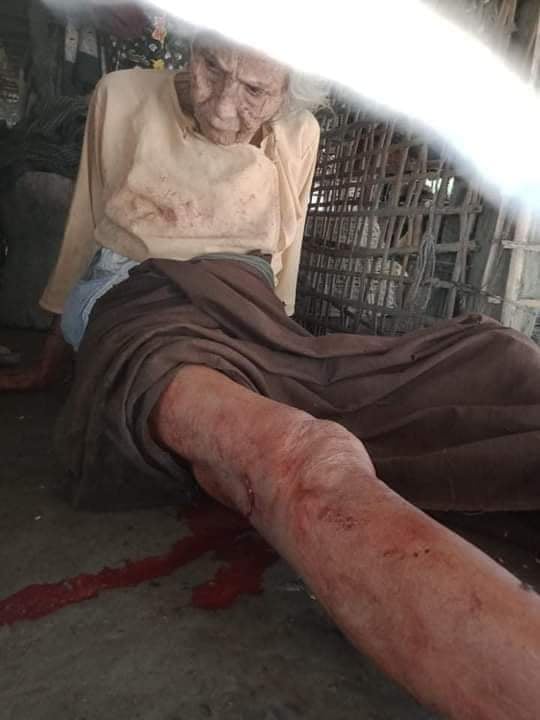
1 killed and 2 injured in a series of artillery shelling by the Rathedaung based Burma Army’s battalion no. (538) into the Shwe Long Tin village under Rathedaung township on 17 September 2020 in the morning at around 9:30 am.
-
ေျမပံုၿမိဳ႕နယ္၊ ေညာင္ကန္ေက်း႐ြာမွ လက္နက္ႀကီးက်ည္ထိမွန္သျဖင့္ ေသဆံုး၊ ဒဏ္ရာရသူမ်ား
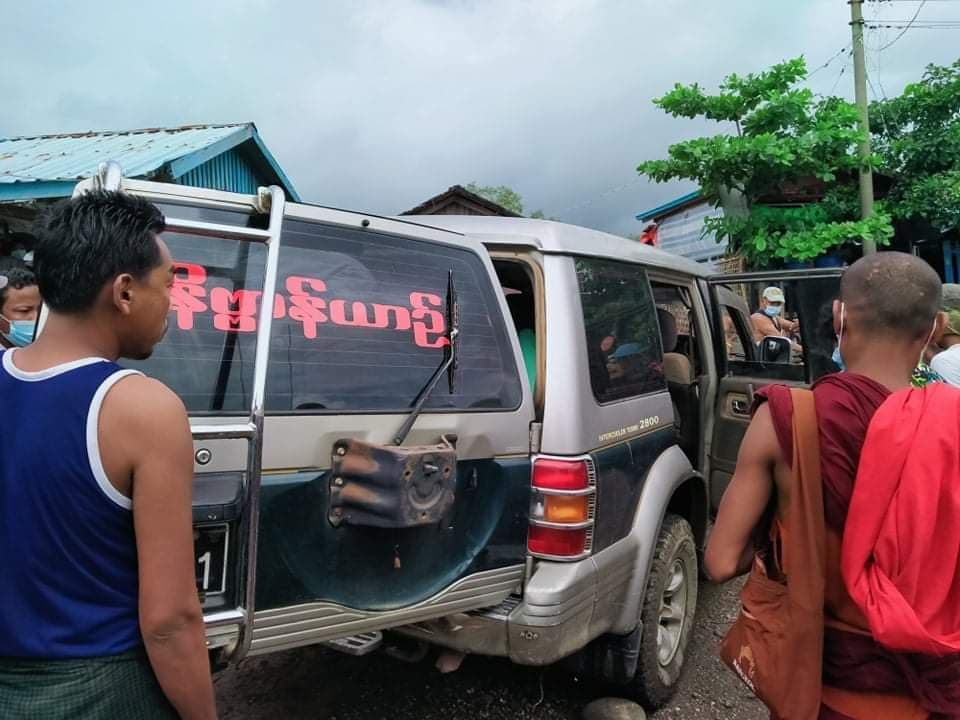
၂၀၂၀၊ စက္တင္ဘာ (၈) ရက္၊ (၀၈.၀၉.၂၀) ရက္ေန႔၊ (၀၉း၃၀) နာရီတြင္ ရခိုင္ျပည္၊ ေျမပုံၿမိဳ႕နယ္႐ွိ ေညာင္ကန္ေက်း႐ြာထဲသို႔ အမ္းၿမိဳ႕နယ္၊ ေက်ာက္ဆည္ေတာင္၌ တပ္စြဲထားသည့္ အစိုုးရတပ္မေတာ္မွ လက္ႀကီးမ်ားျဖင့္ပစ္ခတ္ေသာေၾကာင့္ ေသဆံုးသူႏွင့္ ဒဏ္ရာရရွိသူမ်ားစာရင္းျဖစ္ပါသည္။ ေသဆံုးသူအမည္စာရင္း ၁။ ေဒၚမိုးသဇင္၊ အသက္ (၂၉) ႏွစ္(ဘ) ဦးခ်မ္း၊ … Continue reading
-
ေက်ာက္ေတာ္ၿမိဳ႕နယ္မွ ေက်း႐ြာႏွစ္႐ြာမီး႐ႈိ႕ခံရကာ ပစ္ခတ္မႈမ်ားေၾကာင့္ ႐ြာသားအခ်ိဳ႕ ေသဆံုး
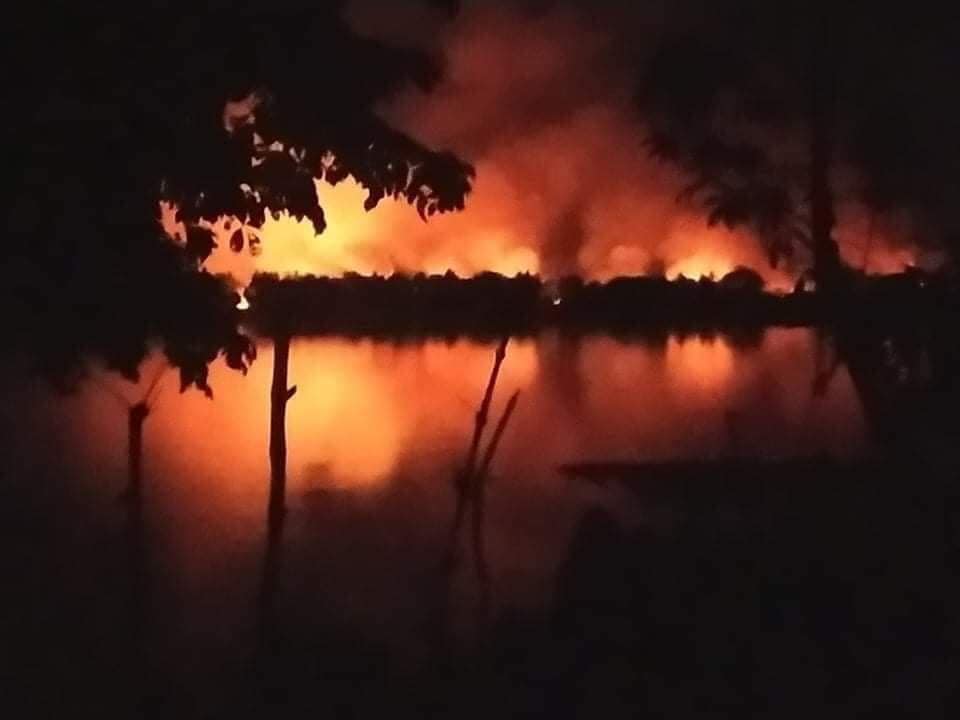
၂၀၂၀၊ စက္တင္ဘာ ၄ ရက္ ရခိုင္ျပည္၊ က်ာက္ေတာ္ၿမိဳ႕နယ္၊ ဘုရားေပါင္းနွင့္ ေတာင္ေပါက္ေက်းရြာမ်ားအား (၀၃.၀၉.၂၀) ရက္ေန႔ (၂၁:၀၀) နာရီခန္႔တြင္ ျမန္႔မာ့တပ္မေတာ္ စစ္ေၾကာင္းတခုမွ ဝင္ေရာက္မီး႐ႈိ႕ခဲ့ေသာေၾကာင့္ မူလအိမ္ေျခ (၂၄၀) ေက်ာ္႐ွိသည့္ ဘုရားေပါင္းေက်း႐ြာတြင္ အိမ္ေျခ (၁၀၀) ေက်ာ္ခန္႔ မီးေလာင္ပ်က္စီးကာ ေမႊေႏွာက္ဖ်က္ဆီးခဲ့သျဖင့္ အိမ္ေျခ … Continue reading